LOLER & PUWER Inspections
What is a Thorough Examination?
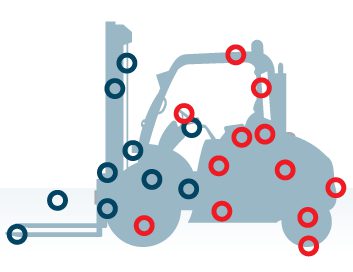
LOLER Inspection = Blue
PUWER Inspection = Red
LOLER & PUWER Inspections
A Thorough Examination, mandated by the Lifting Operations and Lifting Equipment Regulations (LOLER) and the Provision and Use of Work Equipment Regulations (PUWER), serves as a statutory requirement for lifting equipment. This examination is akin to a car MOT, providing a comprehensive report on the safety and usability of the equipment. It is important to note that a Thorough Examination differs significantly from routine maintenance inspections, with distinct responsibilities assigned to Competent Persons under the law.
The Role of Competent Persons
The legislation stipulates that a Competent Person, typically an experienced service engineer or examiner with a minimum of 5 years in the forklift industry, is responsible for conducting Thorough Examinations. At our organisation, all engineers undergo rigorous training and hold relevant licenses to ensure the highest standards of inspection. Regular revalidation training is conducted to uphold excellence and exceed industry norms.
Frequency of Thorough Examinations
According to legal requirements, all lifting equipment must undergo a Thorough Examination at least once a year. The frequency of examinations may vary based on factors such as equipment usage, work environment, and configuration. Equipment used for lifting people or equipped with additional attachments necessitates examinations every 6 months. If there are uncertainties regarding the examination schedule for your equipment, our team is readily available to provide guidance and support.
Examination Schemes for Enhanced Safety
An examination scheme outlines a detailed inspection checklist tailored to specific lifting equipment’s operational conditions. This scheme aids in aligning resources with risk levels effectively. Users, owners, manufacturers, or independent parties can develop examination schemes to ensure thorough assessments that may deviate from standard periodic examination intervals.
Addressing Identified Defects
If a Thorough Examination uncovers defects that do not pose immediate safety risks, a Report of Thorough Examination will be issued, highlighting the identified issues and setting deadlines for rectification. It is the user’s responsibility to promptly address the identified defects within the stipulated timeframe. For defects deemed hazardous, the equipment must not be used until the issues are resolved. In cases where equipment is withdrawn due to safety concerns, reports are legally required to be submitted to the relevant authorities.
What we inspect
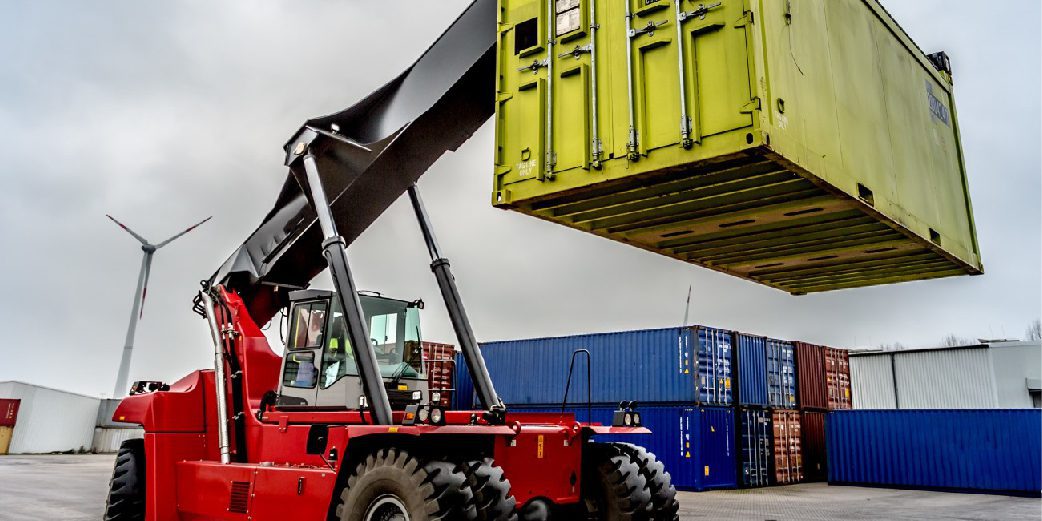
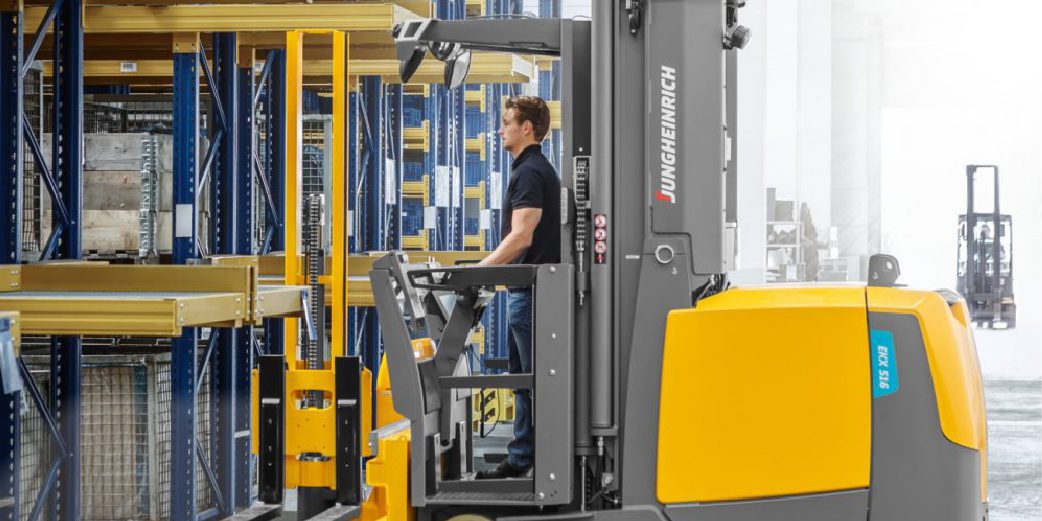
How it works

Arrange
Easily book, manage, and securely store your Thorough Examination inspection certificates through our custom-designed online portal.

Inspect
An engineer from our team will conduct a comprehensive inspection by LOLER and PUWER regulations to ensure the safety and compliance of your equipment.

Report
Following the completion of an inspection, a Thorough Examination report will be promptly issued. All docs, including the report, is available through our secure portal.

No Contract
You're not bound by a long-term contract with us. We're here to support your business whenever you need us.
Faults and what they mean
“Once a thorough examination has been completed, a report will be issued. This report will contain a detailed record of any faults found during the examination, along with a code that indicates the severity of the fault. It is important to address these faults in a timely manner to ensure the safety of your operation.
There are four levels of faults that may be identified during an examination: “Now” faults, “A” level faults, “B” level faults, and “C level faults. Each of these levels has its own set of criteria and recommended actions.
“Now” faults
Beacon and horn faults may be risk assessed by the examiner, depending on site conditions and the use of the equipment. However, it is important to address these faults as soon as possible to ensure the safety of those using the equipment
“A” Level faults
“B” Level faults
“C” Level faults
Who is responsible for a Thorough Examination?
In most cases, the responsibility for ensuring lifting equipment has a valid Thorough Examination report sits with the owner or duty holder of the equipment.
If you hire or lease equipment long-term, responsibility usually transfers to you. For short-term hire, responsibility may remain with the owner—however, it is always important to confirm this at the point of hire.
Explore Statutory Inspections Resources and tips
Why inspecting electric truck batteries is crucial
Electric trucks have become increasingly popular in recent years due to their efficiency and...
What to look for when buying a used forklift
What to Look for When Buying a Used Forklift: A Pre-Purchase Inspection Guide Are you in the...
Forklifts: How much can you legally lift?
When it comes to lifting equipment, it is important to understand the legal requirements and...
Experienced examiners
All our engineers are not only competent but also fully trained and licensed to carry out inspections on workplace transport. We prioritise continuous professional development through regular revalidation training to guarantee a high standard of work that consistently exceeds industry norms.
High Standards
Our unwavering commitment is to deliver a first-class service that offers excellent value for money. By investing in a team of highly skilled and experienced engineers, we ensure that inspections are completed with professionalism and efficiency. This approach is designed to minimise any disruption and downtime to your operations, allowing for seamless business continuity.
ISO 9001:2015
ISO 9001 is the internationally recognised Quality Management System (QMS) standard. Defining commitment to creating services in accordance with pre-defined standards.
UK MHA
The UK Material Handling Association (UKMHA) is a non-profit organisation representing all sectors of the UK material handling industry, committed to enhancing standards and providing audit, advisory, and training services
SafeContractor
SafeContractor is the UK's leading Health and Safety Accreditation, supporting you by helping to demonstrate a commitment to sustainable and ethical practices.

Thorough Examinations
A Thorough Examination is a mandatory inspection to ensure the safety of lift trucks by checking their mechanical parts, similar to a car MOT. Go digital, go green and protect the trees.